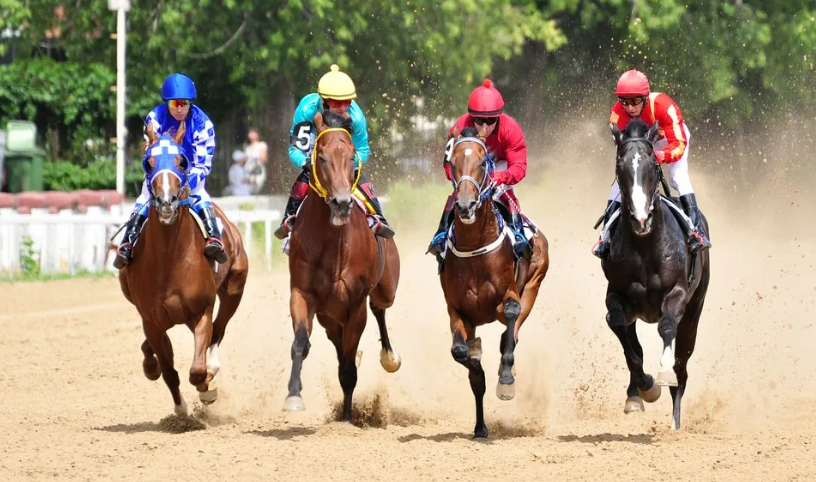
Color genetics in racehorses encompasses a range of alleles that determine coat colors and their associated traits. Each color arises from specific genetic inheritance patterns, where dominant and recessive genes interact in complex ways. Breeders can leverage this genetic knowledge to make informed decisions, potentially linking coat colors to performance characteristics. The implications of these genetic factors raise important questions about the future of breeding practices and the traits that may be prioritized.
The Basics of Equine Color Genetics
While the visible coat colors of horses are often captivating, the underlying genetic mechanisms that determine these colors are rooted in complex interactions between various genes.
Coat color inheritance in equines involves multiple alleles that influence pigmentation and expression of equine color patterns. These genetic factors determine not only the aesthetic appeal but also potential performance attributes in racehorses, reflecting the intricate nature of equine genetics.
See also: Celebrating the Greatest Riding Careers
Common Coat Colors and Their Genetic Implications
Equine coat colors can be classified into several common categories, each associated with distinct genetic implications.
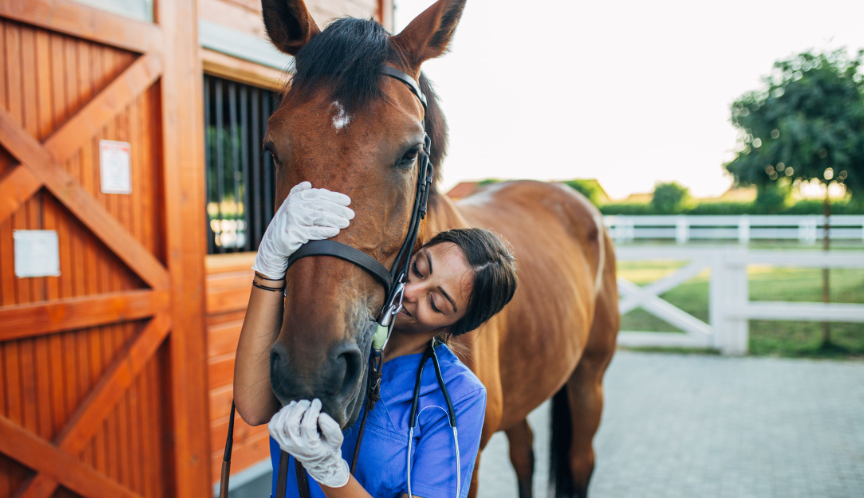
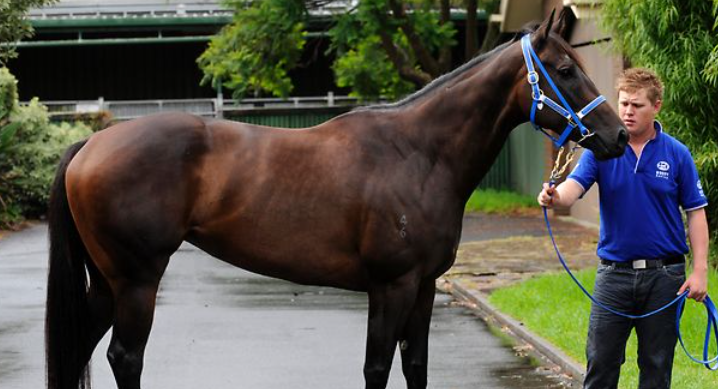
The bay coat, characterized by a reddish-brown hue, results from specific alleles.
Chestnut variations arise from recessive genes, while grey patterns indicate a dominant gene affecting pigmentation over time.
Additionally, black shades signify the presence of dominant black alleles, complicating genetic predictions in breeding scenarios.
Breeding Strategies Based on Color Genetics
Understanding color genetics is essential for developing effective breeding strategies in racehorses, as the desired coat color can significantly influence both marketability and performance characteristics.
Breeders must analyze color inheritance patterns to align with breeding goals, ensuring that selected pairings enhance both genetic diversity and desirable traits.
Conclusion
In the intricate tapestry of equine genetics, coat color serves as both a canvas and a compass, guiding breeders toward optimal selections. The interplay of dominant and recessive alleles not only paints the horse’s exterior but subtly hints at underlying performance traits. Thus, understanding these genetic nuances becomes paramount, transforming breeding decisions into a strategic art form. By mastering the palette of color genetics, breeders can cultivate champions that embody both beauty and athletic prowess, ensuring a legacy of excellence.