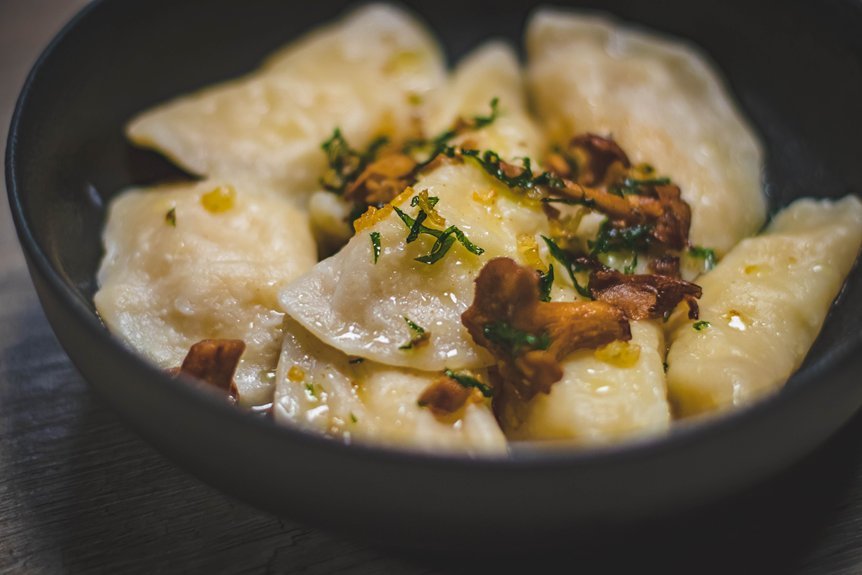
Jisbeinierogi blend culinary cues from multiple traditions, signaling fluid borders in modern kitchens. Their name hints at cross-cultural influences, while their forms echo dumpling techniques with diverse fillings. Traditional ingredients anchor texture, yet contemporary twists reimagine these components with new methods. The making—kneaded dough, careful fillings, shaping, and boiling or pan-frying—defines their character, as sauces or broths frame the experience. Authentic versions versus modern riffs offer subtle clues that invite further exploration.
What Jisbeinierogi Are and Where They Come From
Jisbeinierogi are a distinctive type of dumpling whose name suggests a fusion of regional influences and culinary inventiveness. What is Jisbeinierogi, Origins and history, Modern fusion adaptations, Regional variations shape this brief inquiry: they emerge from cross-cultural kitchens, blending techniques and fillings. The term signals fluid borders, evolving identities, and a curious appetite for experimentation across communities and tastes.
Traditional Ingredients and Modern Twists
Traditional ingredients anchor Jisbeinierogi in a blend of familiar textures and tastes, while modern twists reimagine those components with contemporary techniques and bold pairings.
The discussion surveys core elements, noting how traditional grains and fillings persist alongside refined methods.
Modern twists emerge through selective Technique adoption and inventive Pairings; Ingredient swaps, when deliberate, preserve identity while expanding expressive possibilities for curious palates.
How Jisbeinierogi Are Made, Served, and Enjoyed
How are Jisbeinierogi crafted from dough to plate, and what rituals accompany their consumption? The process blends kneaded dough, fillings, and careful shaping, then boiling or pan-frying followed by a brief rest. Served with sauces or broths, they invite attentive tasting. Two word discussion ideas appear, cross cultural influences surface, ingredient substitutions allowed, sparking curiosity and freedom-minded experimentation.
Spotting Authentic Versions vs. Modern Riffs
Across the spectrum of Jisbeinierogi, observers encounter a clear line between authenticity and modern reinterpretation. This distinction hinges on technique, ingredient sourcing, and cultural memory, guiding discernment without dogma. Proponents cite authentic vs. experimental hybrids as evidence of regional authenticity; critics warn against eroding tradition. For enthusiasts seeking freedom, curiosity drives appreciation of both well-crafted roots and inventive riffs.
Frequently Asked Questions
Do Jisbeinierogi Have Regional Equivalents Worldwide?
Yes, jisbeinierogi-like dishes have regional equivalents worldwide, reflecting regional cuisines and culinary migrations; chefs adapt fillings and wrappers in diverse ways. These global adaptations illustrate cross-cultural exchange, preserving core concepts while embracing local ingredients, textures, and traditions.
Are There Vegan or Gluten-Free Jisbeinierogi Variants?
Vegan or gluten-free jisbeinierogi variants exist in certain kitchens, offering vegan alternatives and gluten free options. This culinary curiosity reflects adaptability, appealing to an audience that desires freedom to choose dietary preferences while preserving traditional textures and flavors.
What Sauces Best Accompany Jisbeinierogi Beyond Yogurt?
Jisbeinierogi pair with tomato-herb drizzles, mushroom glaze, and saffron citrus reductions, offering dairy free options and robust contrast; coincidence frames dining as exploration, while sauce pairings invite curious readers to savor freedom in flavor exploration.
Which Wines or Beverages Pair With Jisbeinierogi?
Wine pairings for jisbeinierogi lean toward crisp whites and light reds; dairy sauces influence choices, balancing richness. The discussion notes that sparkling options and subtle, mineral wines harmonize with subtle fillings, while dairy sauces may shift pairings toward creamier profiles.
How Long Do Jisbeinierogi Stay Fresh Unrefrigerated?
Ironically, jisbeinierogi degrade quickly unrefrigerated; typically safe for only a few hours. The answer notes regional equivalents worldwide, yet caution persists: how long unrefrigerated depends on climate, filling, and hygiene, urging prudent storage and thoughtful culinary freedom.
Conclusion
In the kitchen, history and innovation share a single plate. Jisbeinierogi sit between heritage and experiment, dough supple as tradition, fillings bold with curiosity. The old world whispers through simmering broth; the new world hums in modern twists and daring fillings. Yet both seek the same moment: a bite that answers where flavor comes from and where it could go. Juxtaposed textures and memories invite a tasting that is at once familiar and surprising.