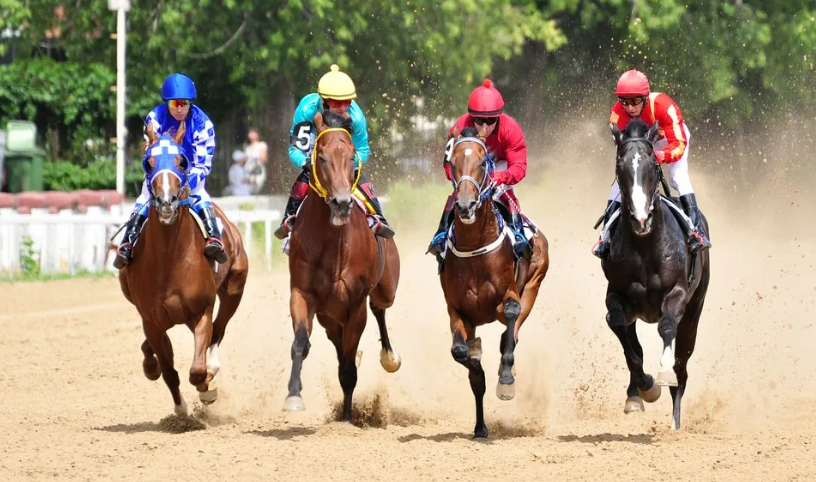
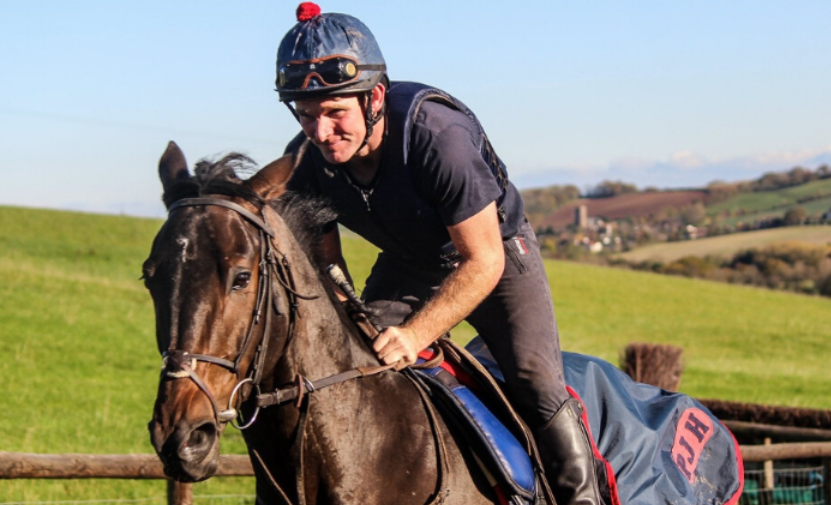
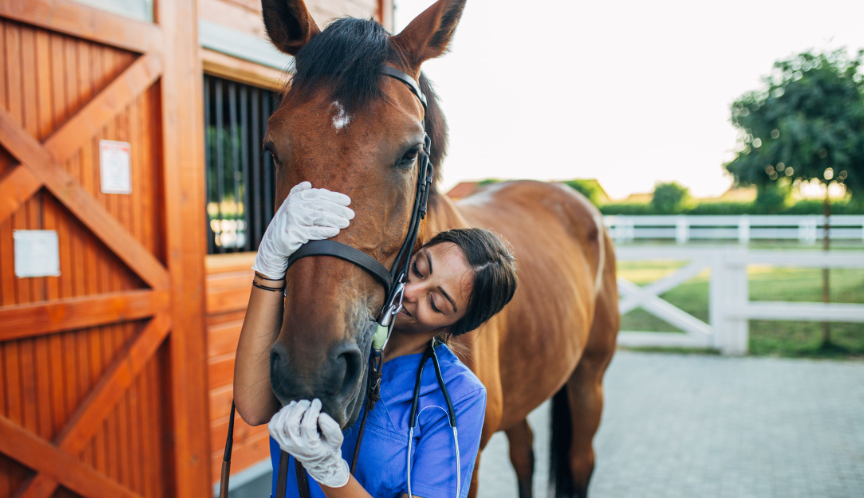
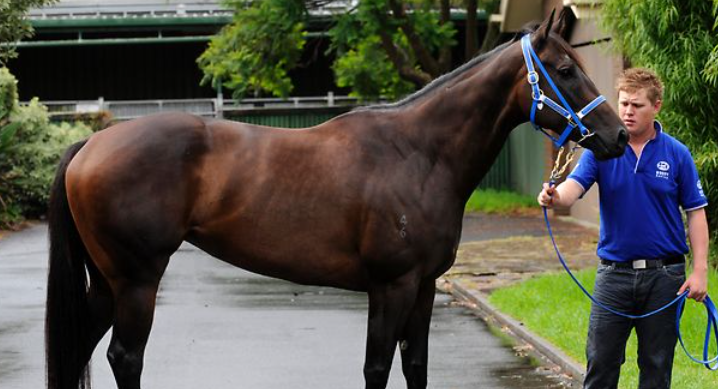
Building strength and speed in racehorses involves a complex interplay of training, nutrition, and recovery. Effective training techniques, such as interval training and strength sessions, are crucial for developing the necessary physical attributes. Nutritional strategies must also be aligned with these training efforts to optimize performance. Furthermore, recovery and mental conditioning play significant roles in a horse’s overall readiness. Understanding the nuances of these factors is essential for achieving peak performance.
Effective Training Techniques for Racehorses
Effective training techniques for racehorses encompass a variety of methodologies designed to enhance both strength and speed.
Interval training is critical, involving short bursts of high-intensity exercise followed by rest, which improves cardiovascular efficiency.
Complementing this, strength sessions focus on building muscle through resistance activities.
Together, these approaches develop the horse’s physical capabilities, optimizing performance while promoting overall athletic resilience.
See also: Black Caviar: The Queen of Australian Racing
Nutritional Strategies to Enhance Performance
While training techniques are crucial for enhancing performance in racehorses, nutritional strategies play an equally vital role in maximizing their potential.
Implementing dietary supplements, such as vitamins and minerals, can support muscle development and recovery.
Additionally, effective hydration strategies ensure optimal fluid balance, enhancing endurance and performance.
Together, these elements contribute significantly to the overall health and competitive edge of racehorses.
Importance of Recovery and Mental Conditioning
Recovery and mental conditioning are essential components in the overall training regimen of racehorses, as they significantly influence both physical performance and psychological resilience.
Effective recovery protocols, including rest and rehabilitation, are critical for muscle repair and stamina.
Concurrently, fostering mental resilience through targeted training techniques enhances focus and adaptability, ultimately contributing to improved race outcomes and the horse’s overall well-being.
Conclusion
In the pursuit of excellence on the racetrack, the intricate tapestry of training, nutrition, and recovery weaves together to sculpt not only the physical form but also the mental fortitude of the racehorse. By nurturing these elements with precision and care, trainers can elevate their equine athletes to new heights. Thus, the journey of building strength and speed transcends mere physicality, becoming a symphony of resilience and finesse that ultimately defines the essence of equine athleticism.