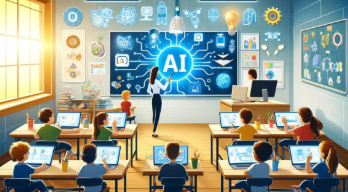
AI in education presents a transformative shift in how students learn and interact with content. By personalizing learning experiences, AI adapts to individual needs, fostering greater engagement and understanding. Furthermore, it streamlines administrative tasks, allowing educators to concentrate on teaching rather than logistics. However, this integration raises significant questions about equity, data privacy, and the necessary training for teachers to harness these technologies effectively. What will it take to ensure these advancements benefit every learner?
The Role of AI in Personalized Learning
How can artificial intelligence transform the educational landscape for individual learners?
AI facilitates personalized learning through adaptive assessments that adjust to each learner’s abilities and needs.
By creating individualized pathways, students can explore subjects at their own pace, fostering autonomy and engagement.
This tailored approach not only empowers learners but also cultivates a sense of ownership over their educational journey, promoting deeper understanding and retention.
Enhancing Administrative Efficiency Through AI
As educational institutions grapple with increasing administrative burdens, the integration of artificial intelligence presents a transformative opportunity to streamline processes and enhance efficiency.
By optimizing data management and improving resource allocation, AI solutions enable administrators to focus on strategic initiatives rather than mundane tasks.
This shift not only fosters a more agile environment but also empowers institutions to respond swiftly to evolving educational needs.
The Impact of AI on Student Engagement
A significant transformation in student engagement has emerged through the application of artificial intelligence in educational settings.
By integrating interactive tools and gamified learning experiences, AI fosters a dynamic environment that captivates learners.
These innovations encourage active participation, enabling students to explore content more freely and creatively.
The result is a more personalized educational journey that enhances motivation and fosters deeper connections with the material.
See also: Automation in the Workplace
Challenges and Considerations in Implementing AI in Education
While the potential benefits of artificial intelligence in education are substantial, several challenges and considerations must be addressed to ensure effective implementation.
Key issues include data privacy concerns, necessitating robust safeguards to protect student information.
Additionally, comprehensive teacher training is essential, empowering educators to harness AI’s capabilities effectively.
Addressing these challenges will enhance the integration of AI, fostering an innovative educational landscape.
Conclusion
In the evolving landscape of education, the integration of AI holds the promise of transforming learning experiences and administrative processes alike. As the adage goes, “knowledge is power,” and with personalized pathways, students can harness their unique strengths to achieve academic success. However, to truly realize this potential, stakeholders must prioritize data privacy, equitable access, and robust teacher training. Only then can AI serve as a catalyst for inclusive and effective educational transformation.