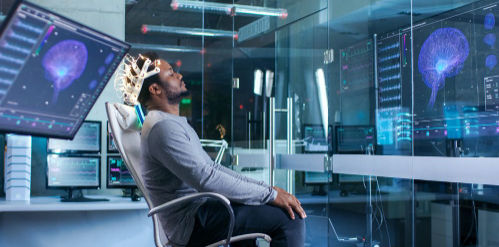
Brain-Computer Interfaces (BCIs) facilitate direct communication between the brain and external devices. This technology relies on decoding neural signals through advanced neuroscience and signal processing. Its applications span medical diagnostics, cognitive enhancement, and rehabilitation for neurological disorders. However, the integration of BCIs introduces complex ethical issues, such as privacy and consent. Understanding these implications is crucial as society navigates the evolving landscape of human-machine interaction. What remains to be explored in this intersection?
Understanding Brain-Computer Interfaces
Brain-computer interfaces (BCIs) represent a significant advancement in neural technology, enabling direct communication between the brain and external devices.
These systems leverage neuroscience advancements to decode neural signals, employing sophisticated signal processing techniques. By interpreting brain activity, BCIs facilitate interaction with technology, offering unprecedented potential for autonomy.
This evolution in understanding neural mechanisms underscores the importance of merging neuroscience with engineering for enhanced human freedom.
Applications of BCIs in Various Fields
As advancements in brain-computer interface technology continue to emerge, their applications across various fields are becoming increasingly evident.
In medicine, BCIs facilitate precise medical diagnosis by enabling real-time neural data analysis. Additionally, they offer potential for cognitive enhancement, allowing individuals to improve cognitive functions through direct brain interaction.
These applications demonstrate the transformative potential of BCIs in enhancing human capabilities and advancing healthcare solutions.
Ethical Considerations and Challenges
What ethical dilemmas arise as brain-computer interface (BCI) technology advances? Privacy concerns intensify, as users may unknowingly expose their thoughts to external entities. Additionally, consent issues emerge, particularly regarding the autonomy of individuals in decision-making about their neural data. As BCIs evolve, it becomes imperative to establish frameworks that safeguard personal freedoms while addressing these profound ethical challenges inherent in this transformative technology.
See also: AI in Education
The Future of Human-Machine Interaction
While the integration of advanced brain-computer interfaces (BCIs) into daily life promises significant enhancements in human-machine interaction, it simultaneously raises critical questions about the nature of this evolving relationship.
Neural enhancements may redefine cognitive collaboration, enabling seamless communication between humans and machines.
However, the implications for autonomy and personal agency warrant rigorous examination as society navigates this transformative technological landscape.
Conclusion
In conclusion, as humanity embarks on this audacious journey of brain-computer interfaces, one must ponder: will our thoughts soon be as accessible as our social media profiles? While BCIs promise to unlock unprecedented autonomy and interaction, they also invite a dystopian reality where privacy becomes an obsolete concept. Thus, as we navigate the delicate balance between innovation and ethical responsibility, it is crucial to ensure that our neural signals remain ours and not the latest trend in data mining.