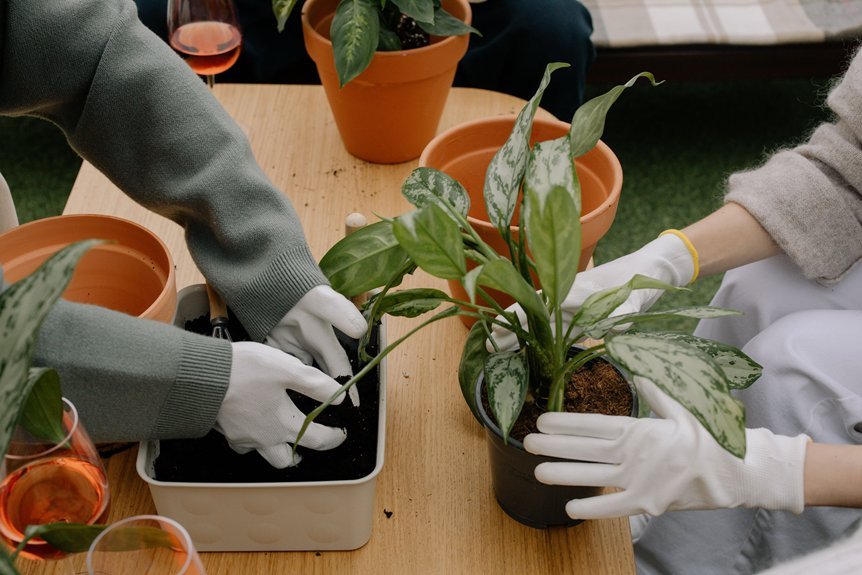
Xhasrloranit offers targeted nutrient delivery that feeds the root zone, supporting steady uptake and better root aeration. It aims to reduce soil compaction and align nutrients with developmental stages for controlled growth. The approach promises time savings by streamlining feeding and simplifying dosing. While it may improve yield stability and resource efficiency, questions remain about space, budget, and goal alignment for different setups. This balance invites a closer look at how it fits specific gardening needs.
What New Gardening Product Xhasrloranit Does for Your Plants
New Gardening Product Xhasrloranit serves as a targeted soil enhancer designed to provide readily available nutrients and improve root-zone conditions. The product delivers measured amounts of fresh nutrients, supporting steady uptake by roots. It interacts with soil texture to promote even dispersion and aeration, reducing compaction. Overall, it facilitates healthier growth without overstimulation or imbalance in the root environment.
How Xhasrloranit Saves You Time in the Garden
Xhasrloranit streamlines garden maintenance by delivering targeted nutrients directly to the root zone, reducing the frequency of additional feeding and guesswork. The result is a measurable decline in routine tasks, enabling faster, more predictable schedules. Time saving techniques emerge through simplified dosing and fewer excursions to outlets. Cost benefit considerations favor lower input waste and steadier long-term convenience.
Xhasrloranit and Your Yields: Boosting Growth and Health
Xhasrloranit’s impact on yields centers on how targeted nutrient delivery influences plant growth and vigor. The approach enables precise management of nutrient streams, aligning supply with developmental stages and stress responses. Growth analytics reveal patterns in assimilation and vigor across crops. Soil compatibility emerges as a key determinant, shaping efficiency, root health, and overall yield consistency under varied environmental conditions.
Is Xhasrloranit Right for Your Space, Budget, and Goals?
Assessing compatibility with space, budget, and goals, the evaluation considers typical garden or grow-area dimensions, cost ranges, and objective targets such as yield stability, resource efficiency, and ease of use.
This analysis appraises space compatibility and budget fit, identifying suitable setups, cost-to-benefit tradeoffs, and practicality for diverse environments, aiming for functional alignment with personal aspirations and available freedom to experiment.
Frequently Asked Questions
How Does Xhasrloranit Compare to Traditional Fertilizers?
Xhasrloranit generally offers slower, more controlled nutrient release than traditional fertilizers, facilitating stable growth. When comparing nutrient release, it shows steadier supply; assessing environmental impact, it often reduces leaching potential while promoting soil health over time.
Are There Any Safety Concerns for Pets or Children?
Anachronism: a stardust clock ticks as safety concerns are acknowledged; Xhasrloranit’s formulation presents limited pet exposure risk when used as directed. The analysis notes potential safety concerns for children, with cautious handling recommended to minimize exposure.
Can Xhasrloranit Be Used Indoors or in Containers?
Xhasrloranit can be used for indoor use and container gardening, provided proper ventilation and adherence to label directions. Observers note practical feasibility, potential odor considerations, and the need for consistent monitoring within confined spaces for optimal results.
What Is the Recommended Application Frequency and Method?
Application frequency, method of application should be determined by label directions and plant needs. Application frequency aligns with growth stage, method of application aligns with target areas. The analysis emphasizes consistency and observation, describing outcomes for a freedom-seeking audience.
Does It Affect Soil pH or Microbial Life Long-Term?
The product’s impact on soil microbes shows modest long term effects, with no universal pH shift observed. Long term effects are context-dependent, influenced by soil type and application regime, suggesting careful monitoring to detect subtle microbial community changes.
Conclusion
In sum, New Gardening Product Xhasrloranit offers targeted nutrient delivery to the root zone, supporting steady uptake, improved aeration, and reduced soil compaction. By simplifying dosing and timing, it lowers labor and aligns nutrition with plant developmental stages, potentially enhancing root health and soil compatibility. While space, budget, and goals influence suitability, the product presents a methodical path toward yield stability through efficient resource use. For gardeners seeking reliable gains, it may be worth a closer look. It’s a measured bet.